Sights to Visit in Croatia - Our Guide

Over the years, while welcoming guests across the country, we have come to appreciate the places that truly define Croatia — the cities that carry centuries of history, the coastal towns shaped by the sea, and the national parks that leave even locals speechless.

Below you’ll find our personal mini guide to what we believe is worth visiting while exploring Croatia — timeless highlights, region by region.

Croatia is a treasure trove of history, Roman ruins, and stunning coastal views. Here is a curated guide to the top sights in each of these iconic cities.

Dalmatia Region

Dubrovnik

  • Old Town Walls: Walk the 2km circuit of medieval stone walls for the best views of the city and sea.
  • Church of St. Blaise Dedicated to the patron saint and protector of Dubrovnik, this church is the spiritual heart of the city.
  • Stradun: The main limestone-paved pedestrian street, perfect for coffee and people-watching.
  • Mount Srđ Cable Car: Take a quick ride up the mountain for a panoramic sunset view.
  • Lovrijenac Fortress: An impressive cliffside fort often called “Dubrovnik’s Gibraltar.’’
  • Lokrum – an island nearby Dubrovnik where you can experience rich history, go for sightseeing monastery, walk through beautiful gardens, and enjoy at its beautiful coastline.
dubrovnik croatia

Split

  • Diocletian’s Palace: A massive, living Roman monument that forms the heart of the city.
  • Peristyle Square: The central courtyard of the palace, ideal for soaking in the ancient atmosphere.
  • Marjan Hill: A forest park offering hiking trails and viewpoints over the harbor.
  • The Riva: Split’s iconic waterfront promenade lined with palm trees and cafes.

split croatia

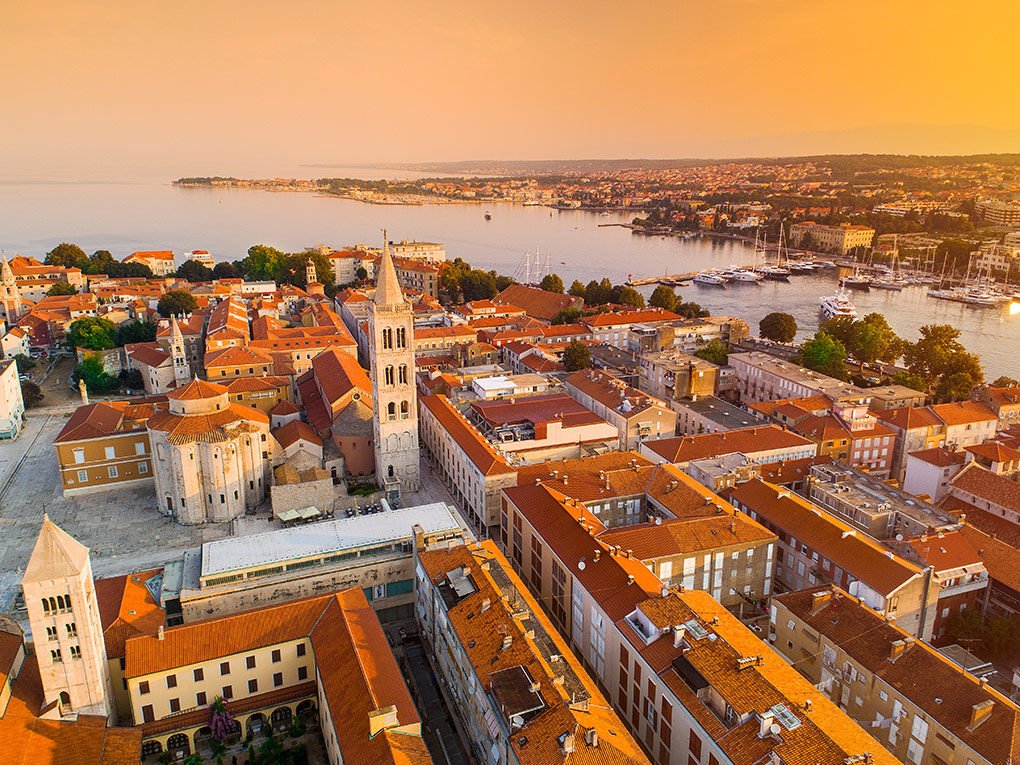
Zadar

  • Sea Organ: An experimental musical instrument that plays music via sea waves.
  • Greeting to the Sun: A solar-powered light installation that creates a light show at night.
  • Church of St. Donatus: A unique round Pre-Romanesque church from the 9th century.
  • Roman Forum: The largest Roman square on the eastern side of the Adriatic.

zadar croatia

Šibenik

  • St. James Cathedral: A UNESCO World Heritage site built entirely of stone.
  • St. Michael’s Fortress: A renovated hilltop fort that now serves as a spectacular open-air concert stage.
  • Banj Beach: A city beach offering a postcard-perfect view of the old town.
šibenik croatia

Istra & Kvarner Region

Rovinj

  • Church of St. Euphemia: The hilltop church whose bell tower dominates the city’s skyline.
  • Old Town Streets: Narrow, winding cobblestone alleys filled with art galleries.
  • Golden Cape (Zlatni rt): A beautiful forest park for cycling and swimming.
rovinj croatia

Pula

  • Pula Arena: One of the best-preserved Roman amphitheaters in the world.
  • Temple of Augustus: A well-preserved Roman temple dedicated to the first emperor.
  • Arch of the Sergii: An ancient Roman triumphal arch.

pula croatia

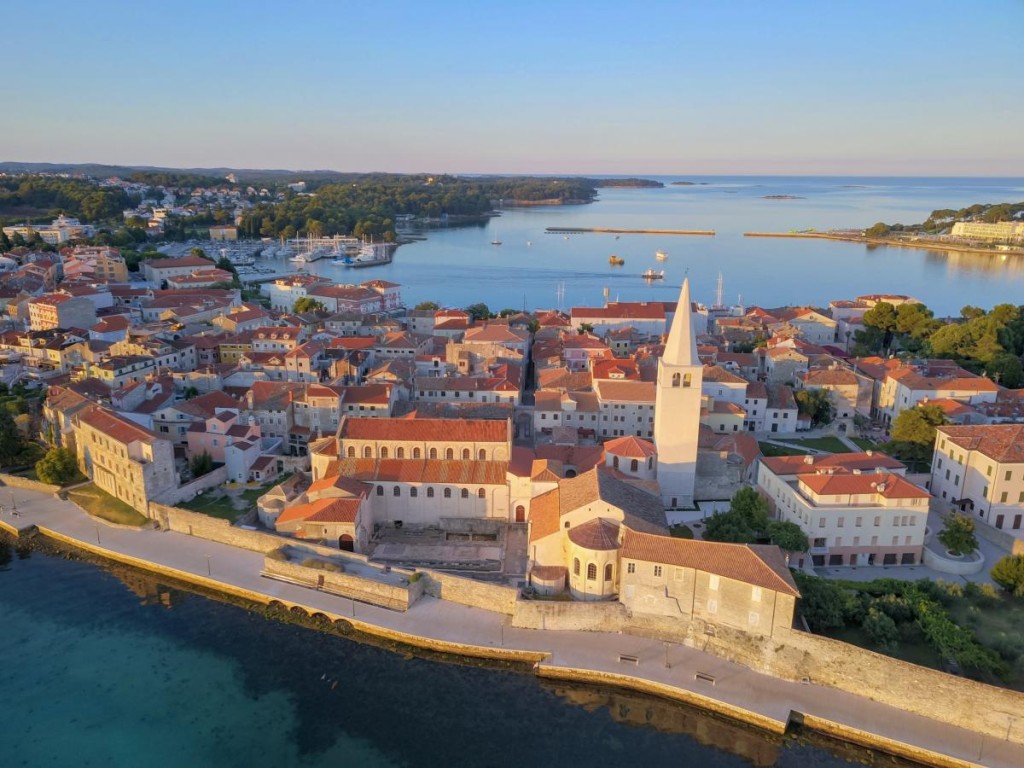
Poreč

  • Euphrasian Basilica: Famous for its stunning 6th-century Byzantine mosaics (UNESCO site).
  • Decumanus Street: The main Roman thoroughfare that still retains its original layout.
poreč croatia

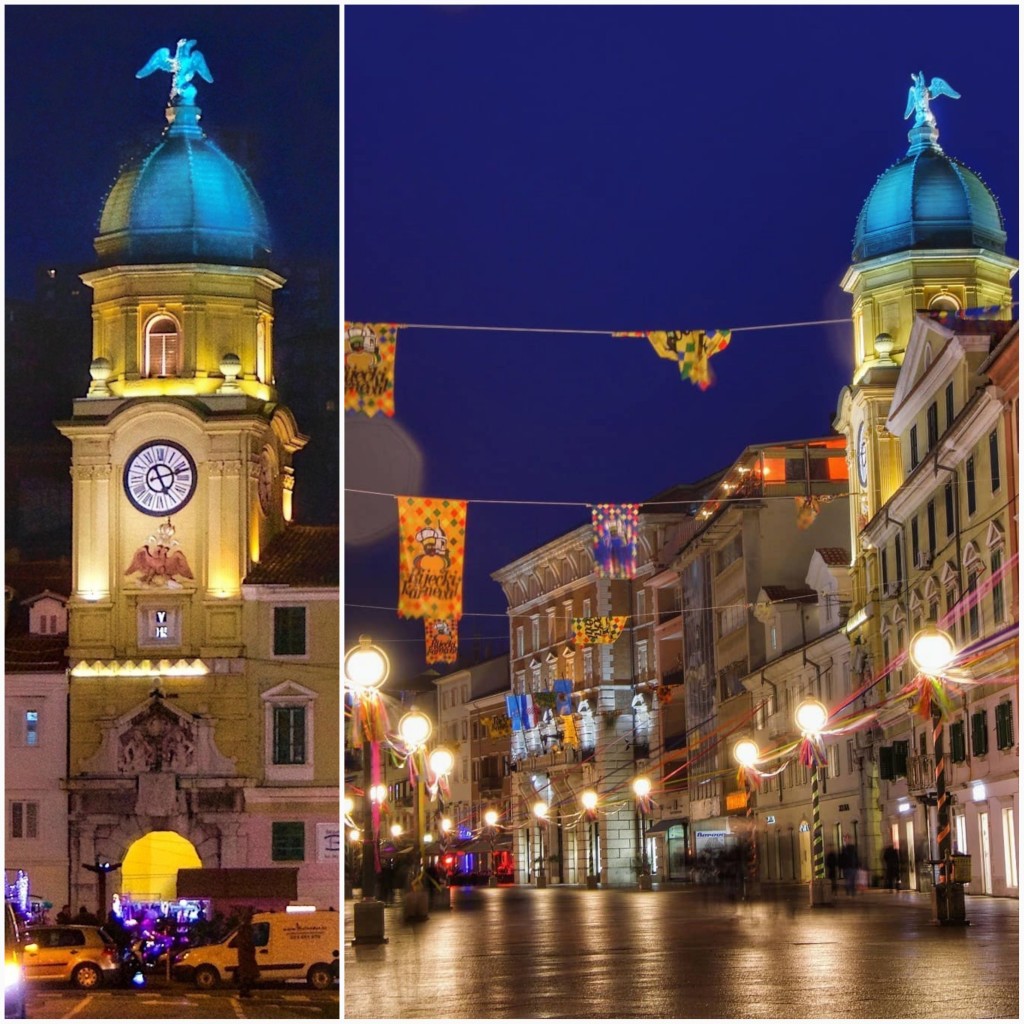
Rijeka

  • Trsat Castle: A strategic lookout and fortress with incredible views of Kvarner Bay.
  • Korzo: The vibrant main promenade and the “soul” of the city.
  • Central Market: A bustling hub of local gastronomy housed in beautiful Art Nouveau buildings.
rijeka croatia

Central Croatia

Zagreb (The Capital)

  • Ban Jelačić Square: The central meeting point and the heart of the city.
  • Upper Town (Gornji Grad): Home to the colorful St. Mark’s Church and the Lotrščak Tower.
  • Museum of Broken Relationships: A unique, world-famous emotional museum.
  • Dolac Market: The “Belly of Zagreb,” a vibrant open-air farmers’ market.
zagreb croatia

Varaždin

Once the capital of Croatia, Varaždin is famous for its impeccably preserved Old Town and flower-filled parks.

  • Old Town Castle (Stari Grad): A stunning white feudal fortress that looks like it belongs in a fairytale. It now houses the Varaždin City Museum.
  • Varaždin Cemetery: Often cited as one of the most beautiful in Europe, it is designed like a park with carefully manicured hedges and paths.
  • King Tomislav Square (Korzo): The main square where you’ll find the Town Hall, one of the oldest in Europe (built in 1523).
  • Sermage Palace: A beautiful Rococo palace that serves as the Gallery of Old and Contemporary Masters.
  • The World of Insects (Entomological Collection): Located in the Herzer Palace, it is a fascinating and unique museum featuring thousands of specimens.
  • Srećko (The Fortune Teller) Statue: A local legend—rub his finger for good luck!
varaždin croatia

Osijek

Located on the banks of the Drava River, Osijek is the largest city in eastern Croatia and is known for its relaxed pace and Secessionist (Art Nouveau) style.

  • Tvrđa (The Citadel): The best-preserved ensemble of Baroque buildings in Croatia. This 18th-century fortress is the historic heart of Osijek.
  • Co-Cathedral of St. Peter and St. Paul: A massive red-brick Neo-Gothic church. It is the second tallest building in Croatia (outside Zagreb).
  • Promenada: A long, beautiful walkway along the Drava River, perfect for a sunset stroll or cycling.
  • The Pedestrian Bridge: An iconic suspension bridge that lights up at night and connects the city center with the Zoo and recreation areas.
  • European Avenue (Europska avenija): A street famous for its row of grand Art Nouveau (Secessionist) palaces.
  • Red Fićo Monument: A creative and symbolic memorial of a small red car “crushing” a tank, representing local resistance during Croatian War of Independence.
  • Kopački Rit (Day Trip): It is one of Europe’s largest wetlands and a paradise for birdwatching and boat tours.
osijek croatia

The National Parks

Plitvice Lakes National Park

Located in the mountainous Lika region (between Zagreb and the coast), this is Croatia’s oldest and largest UNESCO World Heritage site.

  • The 16 Terraced Lakes: A chain of crystal-clear lakes joined by waterfalls that change color from turquoise to emerald.
  • Veliki Slap (The Great Waterfall): At 78 meters high, it is the tallest waterfall in the park.
  • Wooden Walkways: Miles of paths that take you directly over the rushing water.
  • Electric Boat Rides: A peaceful way to cross Lake Kozjak, the largest in the park.
plitvice lakes croatia

Krka National Park

Located near Šibenik, this park follows the Krka River and is famous for its massive travertine (limestone) waterfalls.
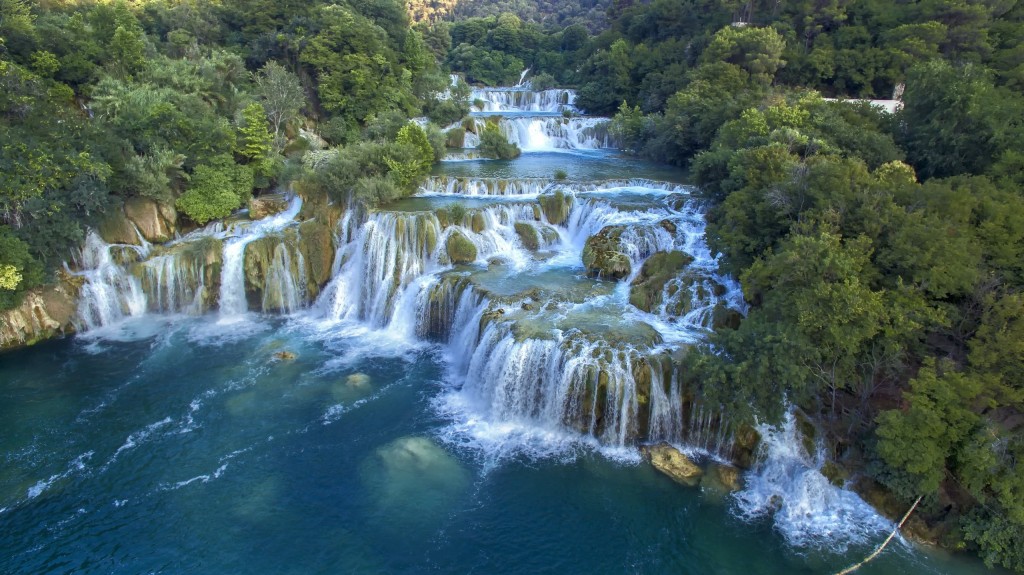
  • Skradinski Buk: One of the most famous sights in Croatia—a massive natural pool with 17 cascading waterfalls.
  • Roški Slap: A series of “necklaces” (small cascades) and a beautiful spot for hiking.
  • Visovac Island: A tiny, picturesque island in the middle of a lake that houses a 15th-century Franciscan Monastery.
  • Ethno Village: Restored watermills where you can see how people lived and milled grain centuries ago.
krka national park croatia

Brijuni National Park

It is an ideal option to visit Brijuni if you stay in Istria. Located just off the coast of Pula (Fažana), Brijuni is a fascinating archipelago of 14 islands known for its blend of pristine nature and 20th-century political history.
  • Safari Park: One of the most unique sights in Croatia. It’s home to exotic animals like zebras, llamas, and an elephant—descendants of gifts given to the former Yugoslav president, Tito.
  • Roman Villa Remains: Impressive ruins in Verige Bay that date back to the 1st century.
  • The 1,600-year-old Olive Tree: One of the oldest living olive trees in the Mediterranean.
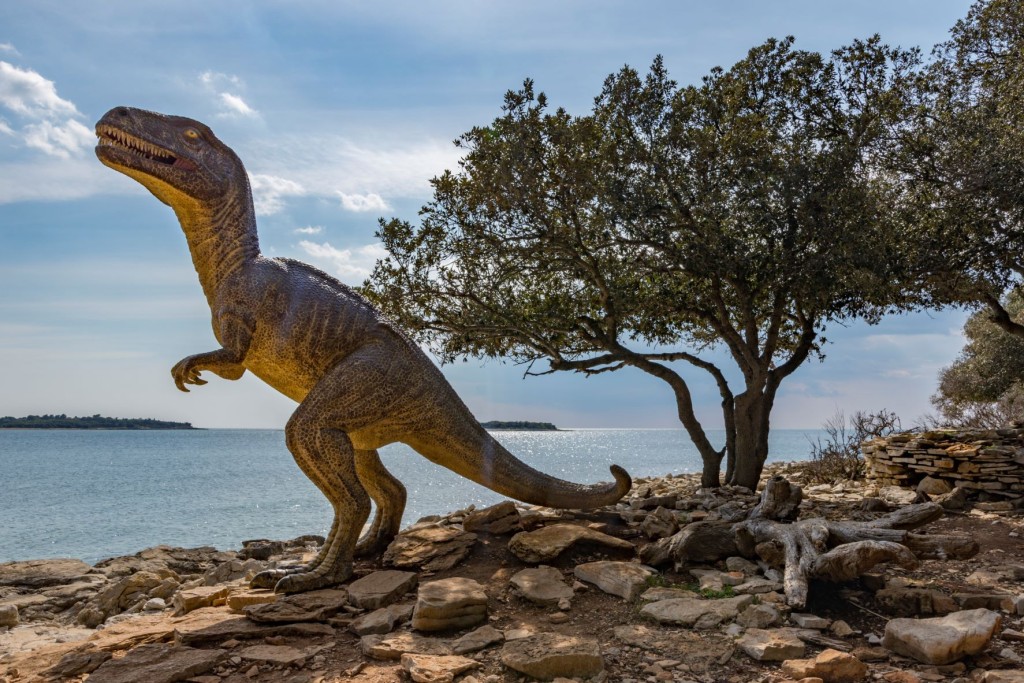
  • Dinosaur Footprints: You can actually see over 200 authentic dinosaur tracks preserved in the limestone rocks.
  • Tito’s Cadillac: You can rent (for a high price!) or simply photograph the 1953 Cadillac used by world leaders and movie stars visiting the islands.
brijuni croatia dinosaur

Mljet National Park

Located near Dubrovnik, Mljet is often called “The Green Island” because it is almost entirely covered by thick Mediterranean forests. The National Park covers the northwestern part of the island.
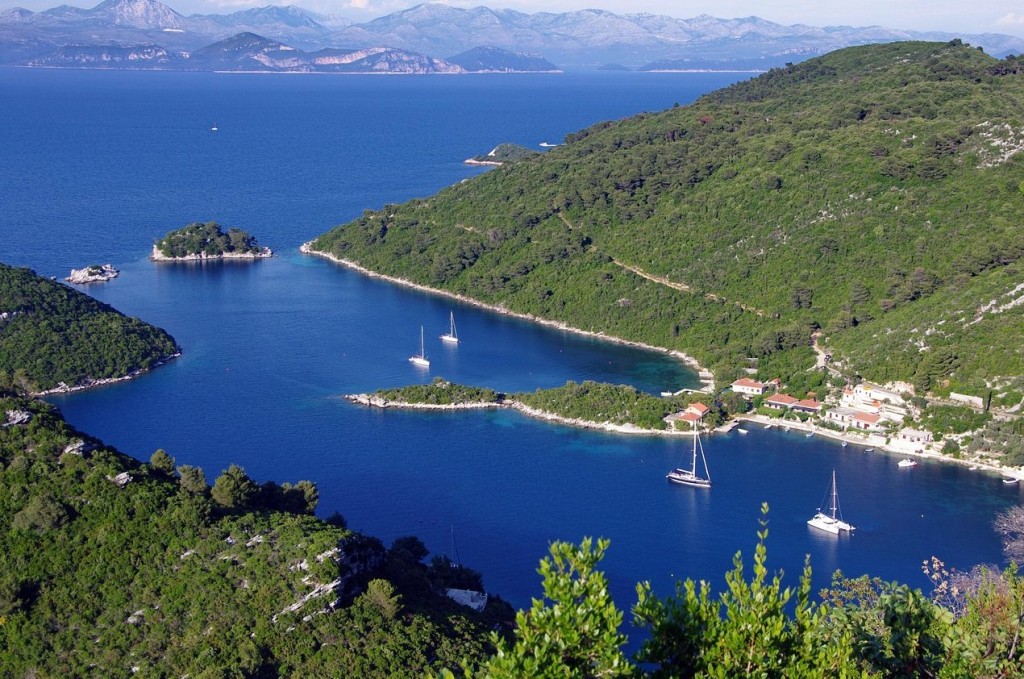
  • The Two Saltwater Lakes: Veliko (Great) and Malo (Small) Lake. They are famous for their brilliant turquoise color and are much warmer than the open sea.
  • St. Mary’s Island: A tiny, postcard-perfect island located in the middle of the Great Lake, featuring a 12th-century Benedictine Monastery.
  • Odysseus Cave: Legend says the Greek hero Odysseus was shipwrecked here and stayed for seven years. The cave is a natural wonder where the sunlight creates a magical blue glow in the water.
  • Biking and Kayaking: The park is a “no-car” zone in many areas, making it the perfect place to rent a bike and ride around the lake perimeters.
mljet national park
Search

April 2026

  • M
  • T
  • W
  • T
  • F
  • S
  • S
  • 1
  • 2
  • 3
  • 4
  • 5
  • 6
  • 7
  • 8
  • 9
  • 10
  • 11
  • 12
  • 13
  • 14
  • 15
  • 16
  • 17
  • 18
  • 19
  • 20
  • 21
  • 22
  • 23
  • 24
  • 25
  • 26
  • 27
  • 28
  • 29
  • 30

May 2026

  • M
  • T
  • W
  • T
  • F
  • S
  • S
  • 1
  • 2
  • 3
  • 4
  • 5
  • 6
  • 7
  • 8
  • 9
  • 10
  • 11
  • 12
  • 13
  • 14
  • 15
  • 16
  • 17
  • 18
  • 19
  • 20
  • 21
  • 22
  • 23
  • 24
  • 25
  • 26
  • 27
  • 28
  • 29
  • 30
  • 31
0 Adults
0 Children
Pets
Size
Price
Search

April 2026

  • M
  • T
  • W
  • T
  • F
  • S
  • S
  • 1
  • 2
  • 3
  • 4
  • 5
  • 6
  • 7
  • 8
  • 9
  • 10
  • 11
  • 12
  • 13
  • 14
  • 15
  • 16
  • 17
  • 18
  • 19
  • 20
  • 21
  • 22
  • 23
  • 24
  • 25
  • 26
  • 27
  • 28
  • 29
  • 30

May 2026

  • M
  • T
  • W
  • T
  • F
  • S
  • S
  • 1
  • 2
  • 3
  • 4
  • 5
  • 6
  • 7
  • 8
  • 9
  • 10
  • 11
  • 12
  • 13
  • 14
  • 15
  • 16
  • 17
  • 18
  • 19
  • 20
  • 21
  • 22
  • 23
  • 24
  • 25
  • 26
  • 27
  • 28
  • 29
  • 30
  • 31
0 Adults
0 Children
Pets
Size
Price